Rubbish clearance for narrow access flats in Abbots Langley
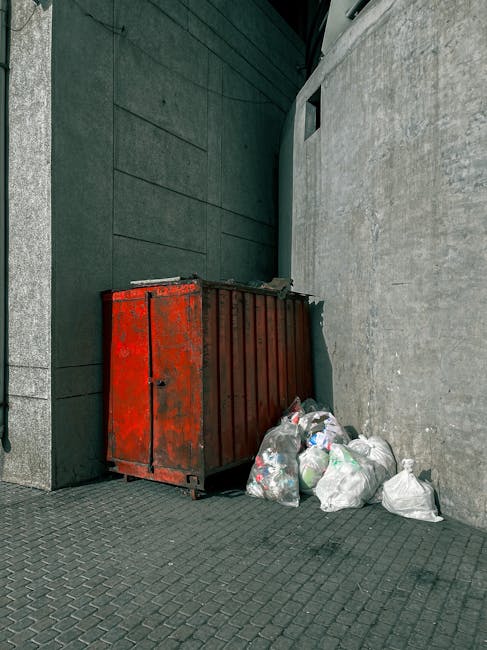
Narrow stairwells, tight hallways, awkward turns, shared entrances, and the ever-unhelpful lift that seems to shrink by the day - if you live in a flat like that, getting rid of rubbish can feel oddly complicated. Rubbish clearance for narrow access flats in Abbots Langley is not just about lifting bags and loading a van. It is about planning the route, protecting the building, working around neighbours, and making sure bulky items leave without damage or stress.
That matters more than people think. A quick clear-out can turn into a scratched wall, a blocked landing, or a pile of stuff that could not be taken out in one go. The good news? With the right approach, even a very tight-access flat can be cleared efficiently and neatly. This guide explains how it works, what to expect, what to avoid, and how to make sensible decisions if you are dealing with old furniture, general clutter, or a full flat clearance in Abbots Langley.
In plain English: the job can be done. It just needs the right method.
Why Rubbish clearance for narrow access flats in Abbots Langley Matters
Narrow-access flats are common enough to be familiar, but each building has its own little quirks. One staircase bends left, another has a low ceiling lamp in exactly the wrong place, and a third has a communal entrance that is always busy just when you need to move a sofa. That is why flat rubbish removal in these properties needs a bit more care than a standard curbside collection.
It matters for three big reasons. First, safety: heavy items carried through tight spaces can injure the people moving them or anyone standing nearby. Second, building protection: narrow routes increase the chance of scuffed paint, chipped plaster, dented banisters, and damage to flooring. Third, neighbour relations: nobody enjoys a stairwell blocked with broken shelving, mattresses, and black bags at the exact time people are trying to get to work.
There is also the practical side. If rubbish is left to build up, it can turn one manageable task into a much bigger clear-out. A cluttered flat feels smaller, more stressful, and harder to keep clean. Truth be told, once access starts feeling impossible, people often delay the job for weeks. Then the pile grows. It happens.
For tenants, landlords, letting agents, executors, and owners preparing to move, a proper clearance can make the difference between a smooth handover and a last-minute scramble. If you need a broader service for furniture or mixed household items, it can help to look at flat clearance, furniture clearance, or even a more complete home clearance depending on how much needs to go.
How Rubbish clearance for narrow access flats in Abbots Langley Works
The best clearance process starts with access, not with lifting. That sounds obvious, but many people skip this step and regret it later. A good team will look at stair width, turning points, lift size, parking distance, and whether items must pass through a shared hallway or entrance. If access is particularly tight, the plan may include smaller loads, more careful item breakdown, or a two-person carry system.
Usually the process looks something like this:
- Initial assessment - The clearance needs are checked, along with access constraints and item types.
- Planning - The team decides whether items can be moved intact or should be dismantled first.
- Protection - Floors, door frames, and corners may be protected where needed.
- Removal - Rubbish is carried out in a controlled way, often in smaller loads.
- Sorting - Reusable, recyclable, and general waste streams are separated where practical.
- Clean-up - The area is left tidy, with loose debris removed.
Not every flat needs the same approach. A small studio with a few bags and a broken desk is very different from a first-floor flat with a hallway full of furniture and boxed-up belongings. In some cases, especially where there are bulky wardrobes or awkward bed frames, a service such as furniture disposal can be the most efficient route.
The key point is this: the access plan matters as much as the rubbish itself. If you are dealing with a building where the stairs are just narrow enough to make you mutter under your breath, measured planning is what keeps the job calm.
Key Benefits and Practical Advantages
When narrow-access clearance is done properly, the gains are immediate. You save time, reduce hassle, and avoid the sort of damage that leads to awkward conversations with landlords or managing agents. That alone is worth it.
- Less risk of damage - Careful handling reduces knocks to walls, doors, and flooring.
- Faster clearance - A planned route is usually quicker than repeated improvisation.
- Less stress - You do not have to figure out how to get a wardrobe down a staircase that feels one inch too small.
- Better safety - Lifting and manoeuvring are reduced where possible.
- Cleaner finish - Good clearances leave the flat and shared areas tidier.
- More predictable costs - Planning access upfront avoids surprise delays.
There is also a practical value that is easy to overlook. A flat that has been properly cleared often becomes much easier to deep clean, redecorate, rent out, or sell. A cluttered property can hide damp patches, broken fittings, and damage that nobody wants to discover at the last minute.
If the job includes a mix of household waste, old chairs, a mattress, and odds and ends from cupboards or a loft hatch, a service such as waste removal can often handle the general load, while more specific items can be removed separately. For some households, combining this with house clearance or loft clearance is the simplest route.
Expert summary: the best narrow-access rubbish clearance is the one you barely notice happening. Careful route planning, sensible item handling, and tidy removal usually matter more than speed alone.
Who This Is For and When It Makes Sense
This kind of service is not only for end-of-tenancy panic or inherited properties. It helps in a wider range of everyday situations than people expect.
- Tenants who need to clear before moving out.
- Landlords preparing a flat for re-letting.
- Letting agents dealing with a quick turnaround.
- Homeowners who have accumulated bulky rubbish and do not want to wrestle it down tight stairs.
- Executors and family members handling a property with items that need sorting and removal.
- Older residents or anyone who should not be lifting heavy items through awkward access.
It makes sense when the access route is a genuine obstacle, not just a small inconvenience. For example, if a sofa can only leave after being turned on its side, carried by two people, and angled carefully around a landing, that is not a job for guesswork and optimism. It needs proper handling.
It also makes sense when the building itself is sensitive. Shared hallways, carpeted stairs, thin walls, and close neighbours all increase the cost of a mistake. And let's face it, the mistake often arrives at the worst possible time.
For a property used as a workplace or mixed-use flat, you may also want to consider whether part of the waste falls under office or business-related clearance. In those cases, services like office clearance or business waste removal can be more suitable than a simple domestic pickup.
Step-by-Step Guidance
If you want the process to go smoothly, this is the sequence that usually works best. It is not glamorous, but it is effective.
1. Take a proper look at the access route
Measure the stairs, check the lift dimensions if there is one, and note any corners, low ceilings, or narrow fire doors. If a bulky item cannot turn safely, it may need dismantling before removal.
2. Sort items into practical groups
Separate general rubbish, furniture, broken household items, and anything that may need special handling. You do not need museum-level precision. Just enough organisation to avoid confusion on the day.
3. Decide what can be broken down
Flat-pack furniture, bed frames, shelving units, and tables are often easier to move once dismantled. Keep screws and fittings together in a labelled bag if you may need the item rebuilt later.
4. Clear a route from the flat to the exit
Move loose objects out of the way and make sure the stairwell or corridor is not blocked. A clear route reduces the chance of accidents and keeps the job moving.
5. Protect shared spaces where needed
Door frames, corners, and flooring may need basic protection if the route is especially tight. This is especially sensible in older buildings where surfaces can mark easily.
6. Load in stages
Smaller loads are often better than trying to shift everything at once. This is where narrow-access work differs from standard clearance. Patience wins.
7. Check the flat and common areas before finishing
Do a quick walk-through. Look for stray packaging, loose screws, dust, and anything left behind by accident. A 60-second check can save a headache later.
If there are bulky pieces of furniture that still need a separate decision, furniture clearance may be the right next step. For smaller tidy-up jobs, a broader home clearance service can be more convenient than booking several separate removals.
Expert Tips for Better Results
Small details make a big difference in narrow spaces. A few practical habits can save time and reduce friction - literally and otherwise.
- Measure the widest item, not just the room. A wardrobe may fit in the flat but still fail at the stair bend.
- Use light source checks. Shadows can hide low rails, protruding banisters, or awkward step edges.
- Keep one person spotting the route. That extra pair of eyes is worth having.
- Disassemble early. Waiting until you are halfway down the stairs is usually a bad plan.
- Protect the building before moving the first item. Not after the first scrape.
- Group waste by type. It saves time during sorting and loading.
One underrated tip: photograph the route before the job starts. Not for drama, just so everyone knows what they are dealing with. A quick picture of a tight landing or awkward stair turn can be surprisingly useful.
Another useful point is communication with neighbours or the building manager. If you know the clearance will create a brief period of traffic through shared spaces, it is kinder to warn people in advance. Nothing elaborate. Just enough that nobody gets surprised when a mattress appears on the landing at 9:15 on a Tuesday.
If the clearance includes items that are still in decent condition, it can be worth separating them before disposal. Reuse and recycling are often better outcomes than simply sending everything away. For more environmentally conscious handling, see recycling and sustainability.
Common Mistakes to Avoid
Most problems in narrow-access flats are preventable. The trouble is that people tend to discover the issue while carrying the item, not beforehand. A bit annoying, really.
- Not measuring properly - Guessing the width of a staircase is a classic mistake.
- Trying to move oversized furniture intact - If it does not fit, forcing it usually makes things worse.
- Ignoring shared spaces - Corridors, stairwells, and entrances are part of the job.
- Leaving rubbish until the last minute - This turns a manageable task into a rushed one.
- Mixing everything together - Sorting after loading is much slower.
- Assuming every lift can handle large items - Some lifts look bigger than they are. Sneaky little things.
Another common error is forgetting about parking or stopping access for the vehicle. Even if the flat itself is straightforward, the loading point may not be. In Abbots Langley, as in many busy residential areas, a short walk from the entrance to the van can add time and effort. That is not a disaster, but it does affect planning.
People also underestimate how much time it takes to clear a narrow-access property carefully. Speed is useful, yes, but rushing is how wall corners get chipped and tempers rise. Better to plan it right.
Tools, Resources and Recommendations
You do not need a mountain of equipment to clear a flat properly, but a few basics help immensely.
| Tool or resource | Why it helps | Best used for |
|---|---|---|
| Measuring tape | Confirms whether large items will fit through the route | Stairs, lifts, doorways, turns |
| Protective blankets or covers | Helps reduce scuffs during movement | Furniture, walls, banisters |
| Gloves | Improves grip and protects hands | Bag handling, sharp edges, dusty items |
| Labels or marker pens | Keeps dismantled parts organised | Furniture screws, fittings, grouped items |
| Heavy-duty sacks | Safer for compact, loose rubbish | General waste, small clutter |
For heavier or awkward items, basic tools for dismantling can make a huge difference. A screwdriver set, Allen keys, and a small hammer often solve more access problems than brute force ever will. No prizes for wrestling a wardrobe through a door frame when the shelves could simply come off first.
In terms of service planning, it can help to read up on the company's approach to insurance and safety, especially where stairs, narrow halls, or shared buildings are involved. Clear procedures matter. So does knowing how pricing is handled, which is why many people start with pricing and quotes before booking.
If the property also includes a garage or outside store room, you may be able to combine the job with garage clearance or garden clearance and simplify the whole thing in one go.
Law, Compliance, Standards, or Best Practice
Rubbish clearance in the UK should be carried out responsibly, with proper attention to waste handling, safe lifting, and suitable disposal routes. You do not need to become a waste law specialist to arrange a flat clearance, but it does help to know the basics.
Best practice usually includes:
- ensuring waste goes to an appropriate disposal or recycling route
- separating reusable items where possible
- avoiding damage to communal areas
- using safe lifting and carrying methods
- working within building rules where access is shared
If you are dealing with a flat in a managed block, there may also be building-specific expectations around lift use, loading bays, quiet hours, or protecting shared surfaces. Those are not always written in a dramatic way, but they matter. A quick check with the landlord, managing agent, or building rules can save awkwardness later.
From a practical compliance standpoint, insurance and safety practices matter most when items are heavy, access is tight, or the route is awkward. A responsible provider should be able to explain how risks are managed, what happens if something is damaged, and how waste is handled after collection. You are not being difficult for asking. You are being sensible.
For anyone who values environmental handling, look for evidence that items are sorted carefully and reused or recycled where appropriate. The page on recycling and sustainability is a useful place to understand the general approach.
Options, Methods, or Comparison Table
There is more than one way to clear a narrow-access flat. The right option depends on the amount of waste, the type of items, and how tricky the route is.
| Method | Best for | Pros | Limitations |
|---|---|---|---|
| Self-clearance | Small loads, easy items, short distances | Low direct cost, flexible timing | Time-consuming, physical effort, higher risk of damage |
| Partial professional clearance | Bulky items or awkward access | Less lifting, safer handling, faster completion | May not suit very large clear-outs on its own |
| Full flat clearance | End-of-tenancy, probate, major declutter | Most efficient for larger jobs, tidy finish | Needs more planning and coordination |
Self-clearance can work fine for a few bags and one small item. But if the property has narrow stairs, large furniture, and limited parking, the balance often shifts quickly toward professional help. Not because you cannot do it, but because it is simply not worth the extra wear and tear.
For comparison, a mixed furniture-heavy job may be better handled with a specialist combination of flat clearance and furniture disposal, while a cluttered family property might need house clearance instead. Matching the service to the job is where the real efficiency comes from.
Case Study or Real-World Example
Imagine a first-floor flat in Abbots Langley with a narrow staircase, a shared hallway, and a couple of bulky items left behind after a move: a bed base, a wardrobe, a coffee table, some bagged rubbish, and a stack of old boxes. Nothing extreme, but enough to make the route awkward.
The sensible approach would be to inspect the staircase before lifting anything. The wardrobe would likely be dismantled upstairs, rather than carried whole. The bed base could be split down into smaller sections. Boxes and rubbish bags would be taken out in stages, keeping the stairwell clear between loads. A quick sweep at the end would remove dust, packaging strips, and the little bits of debris that always seem to appear under the bed. Always.
The point of the example is simple: narrow access does not necessarily mean hard clearance. It means smart clearance. With the route planned and the items broken down properly, a job that looked awkward becomes routine. It may still take patience, but it stops feeling like a battle.
That is also why many people choose a service that can adapt rather than forcing the flat into a one-size-fits-all process. Every building has its own personality, if you can call a staircase a personality. Some do have one, frankly.
Practical Checklist
Use this before the clearance starts. It keeps things simple and helps you spot problems early.
- Measure doorways, stairs, and any lift access.
- Check whether bulky furniture needs dismantling.
- Separate general rubbish from furniture and reusable items.
- Clear a route from the flat to the exit.
- Protect corners or flooring if the building is sensitive.
- Confirm parking or loading arrangements.
- Warn neighbours or the building manager if needed.
- Keep screws, fittings, and small parts together.
- Decide which items should be recycled or reused.
- Do a final walk-through after the clearance.
If the job is too large to handle comfortably, it may be time to speak to a specialist. A good provider can explain whether your job fits a flat clearance, a more general waste removal service, or a combined approach. There is no prize for making it harder than it needs to be.
Get a free quote today and see how much you can save.
Conclusion
Rubbish clearance for narrow access flats in Abbots Langley is one of those jobs that looks straightforward from a distance and then becomes fiddly the moment you meet the staircase. But with the right preparation, it is completely manageable. Measure first, sort the load, protect the building, and choose the right method for the items and access route.
The real goal is not just removing rubbish. It is doing it cleanly, safely, and without creating new problems in the process. If you get that part right, the flat feels easier to live in straight away. Less clutter, less pressure, less noise in your head. And honestly, that relief is worth a lot.
When the last bag is gone and the hallway is clear again, it has a way of making the place feel lighter. That is usually the moment people realise the job was never just about waste. It was about getting some breathing room back.
Frequently Asked Questions
Can rubbish be removed from a flat with very narrow stairs?
Yes, often it can. The key is to assess the route first, dismantle bulky items where needed, and move everything in controlled stages rather than trying to force large objects through tight turns.
What if my lift is too small for furniture?
Then the item may need to go via the stairs, or it may need dismantling before removal. A small lift does not necessarily stop the job, but it does change the plan.
Do I need to clear the hallway before the team arrives?
It helps a lot. A clear route makes the job safer and quicker, especially in shared buildings where space is limited and passing room matters.
Is narrow-access clearance more expensive?
It can be, depending on the extra time, labour, and handling involved. That said, the price is usually influenced by item volume, access difficulty, and the type of waste rather than one factor alone.
Can furniture be dismantled on site?
Usually, yes. Many bulky items are easier to remove once broken down into smaller parts. It is often the sensible choice in tight flats.
What should I do with items that are still usable?
Separate them before the clearance if possible. Reusable items are often better kept aside for donation, resale, or reuse rather than mixed in with general rubbish.
How long does a narrow-access flat clearance take?
That depends on the amount of waste, how tight the access is, and whether items need dismantling. A few bags may be quick, while a full flat with large furniture will naturally take longer.
Will the hallway or stairwell be protected?
A careful team will usually take sensible steps to reduce the risk of damage, especially in older or well-kept buildings. It is worth asking about this in advance.
Can you clear rubbish if there is no parking close by?
Yes, but the distance from the flat to the vehicle will affect the job. More walking means more time and more effort, so it is something to plan for rather than discover on the day.
What kinds of items are hardest to remove from narrow flats?
Wardrobes, bed frames, large sofas, mattresses, and heavy white goods tend to be the most awkward. Anything long, bulky, or inflexible can be a problem in tight stairwells.
Should I book flat clearance or general waste removal?
If the job is mainly furniture, bags, and household items from one flat, flat clearance is often the better fit. If the load is more mixed or spread across different areas, waste removal may suit you better.
How do I know if the service is safe and trustworthy?
Look for clear information about safety, insurance, and how the team handles waste. Pages such as health and safety policy and insurance and safety can give you a better feel for how the work is managed.
When the access is tight, the best result is usually the calmest one. Plan well, keep the route clear, and let the awkward bits be handled properly. That way, the job gets done without turning your flat into a battleground, which is probably the whole point.